Conference Introduction

The CHInano Conference & Expo 2026 will be grandly held at Suzhou International Expo Center from October 21–23, 2026. As an essential part of the event, the "CHInano Analysis & Testing Application Seminar" will be held concurrently on October 22.

Focused on AI and themed on"AI-Driven · Inspecting the Future with Chips", this year's seminar dives into hot topics such as advanced packaging, optoelectronics/silicon photonics, and storage to address the core needs of domestic semiconductor and new-process analysis & testing. By relying on internationally cutting-edge analytical technologies, the seminar will conduct in-depth discussions on advanced testing methods including NanoProbing, SIMS (including TOF-SIMS), TEM, and SEM, covering various hot sectors such as AI chips, advanced packaging, Chiplet, optical communications/silicon photonics, HBM/storage chips, and third-generation semiconductors. The seminar will invite renowned experts and scholars from universities, research institutes, and enterprises at home and abroad, bringing together hundreds of industry elites from testing organizations, semiconductor upstream/downstream companies, and research institutions to share cutting-edge insights and innovative practices through keynote presentations and case studies, so as to jointly drive technological innovation and commercialization.

Organization

Host

    • Nanopolis Suzhou Co., Ltd.

Organizer

    • Wintech Nano (Suzhou) Co., Ltd.
2026 Agenda Overview

2026 Agenda Overview

Date: Oct.22, AM
Location: B1 Exhibition Hall Room 1, Suzhou International Expo Center
Date: Oct.22, PM
Location: B1 Exhibition Hall Room 1, Suzhou International Expo Center
The 8th CHInano Analysis & Testing Application Forum
Speaker
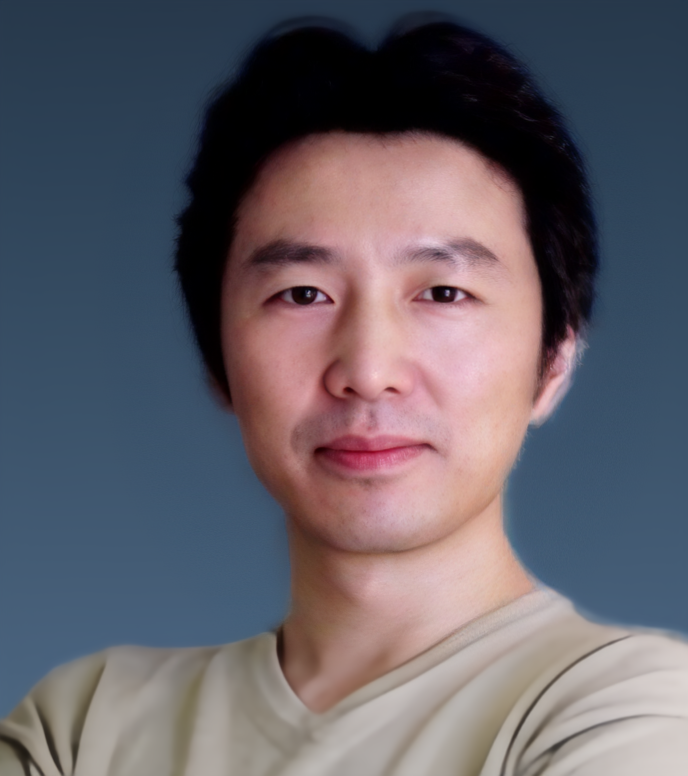
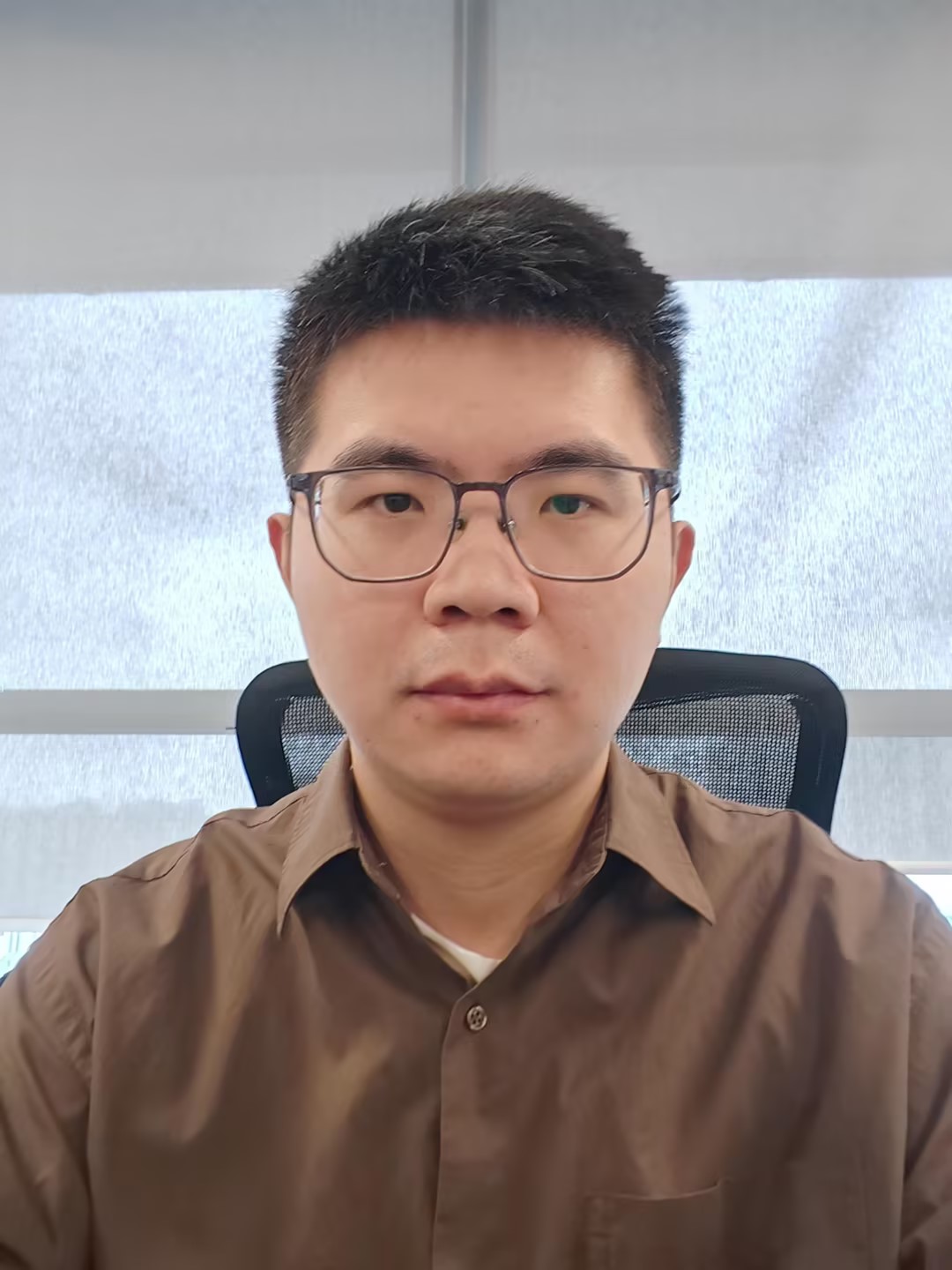
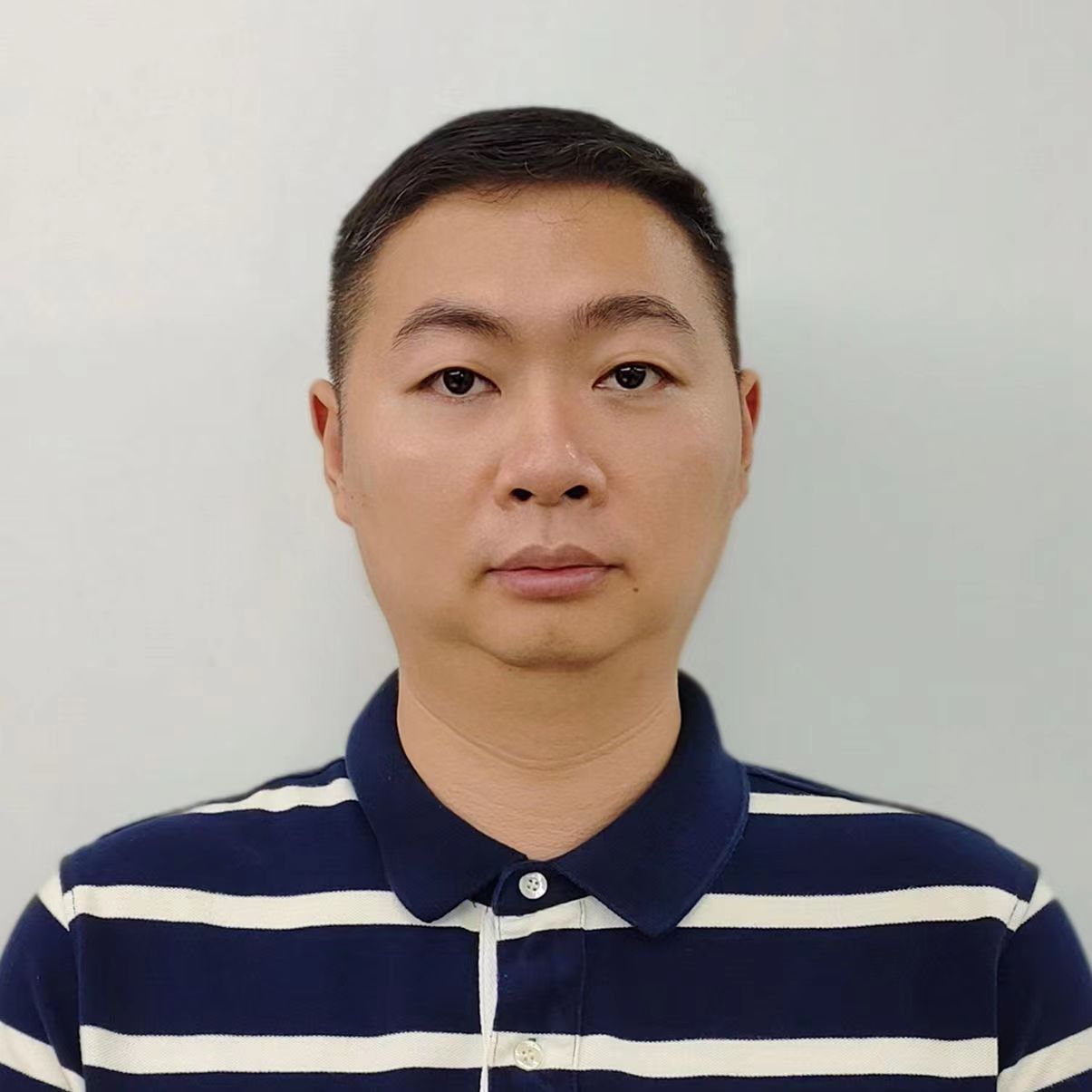
Xi Zhang
( Deputy General Manager of Wintech Nano (Suzhou) Co., Ltd.)
The 8th CHInano Analysis & Testing Application Forum
Speaker
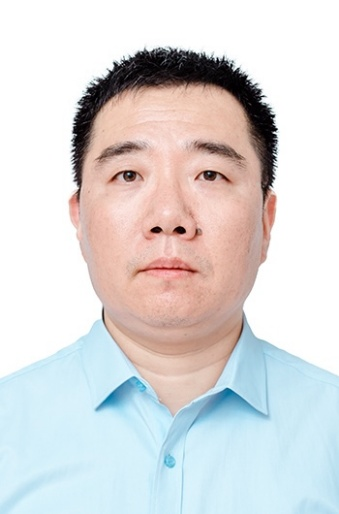
Xiaomin Li
( Chairman of Wintech Nano (Suzhou) Co., Ltd. )
This report delves into the cyclical development trends emerging in the analytical testing field against the backdrop of rapid iteration of semiconductor technology. It points out that the core of future industry competition lies in technological innovation and specialized division of labor, and systematically elaborates on how the "Labless" business model, as a key driving force, can effectively support R&D and optimize the industrial ecosystem. At the practical level, it proposes a "sector rotation" strategy to dynamically align with R&D investment trends, while explaining the "Lab-Lite" collaborative model that aims to comprehensively enhance supply chain resilience and R&D efficiency through close collaboration between in-house corporate laboratories and third-party laboratories, thereby achieving sustainable development.
Li Xiaomin, Chairman of Wintech Nano, held a Bachelor's degree from Peking University and a Master's degree from National University of Singapore. He has applied for numerous invention patents and published over 100 papers and co-authored two books. In 2001, Li Xiaomin worked at the Agency for Science, Technology and Research (A*STAR) in Singapore. In 2004, he founded WinTech Nano-Technology Services Pte. Ltd. in Singapore, and in 2012, he established Wintech Nano (Suzhou) Co., Ltd. Under his leadership, the company has become a renowned platform for semiconductor chip analysis and testing services, as well as a crucial support center for R&D in the industry. Li Xiaomin introduced the innovative "Labless" concept, which involves outsourcing the "necessary but non-core" R&D segments from the industry, creating a new independent sector.
The 8th CHInano Analysis & Testing Application Forum
Speaker
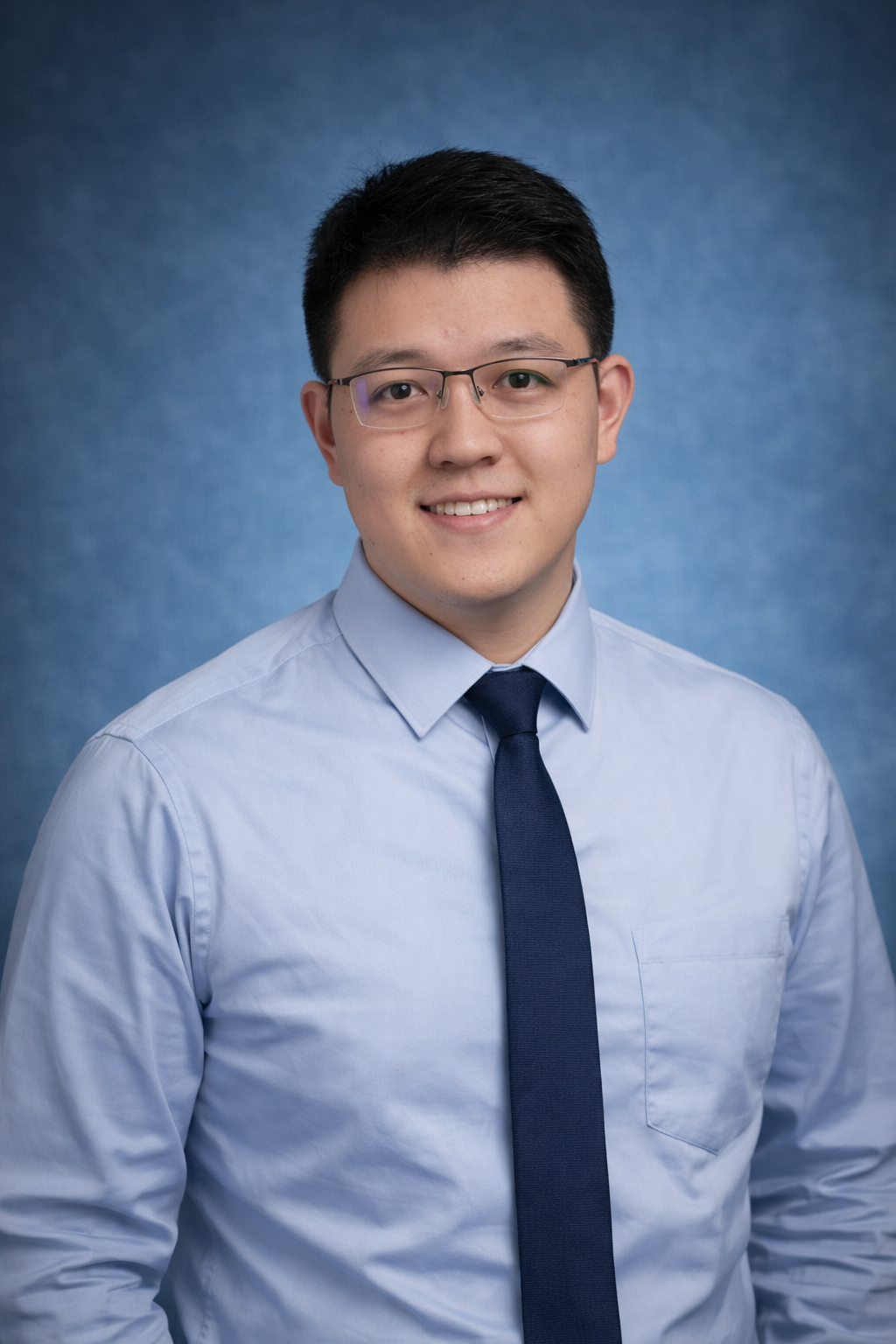
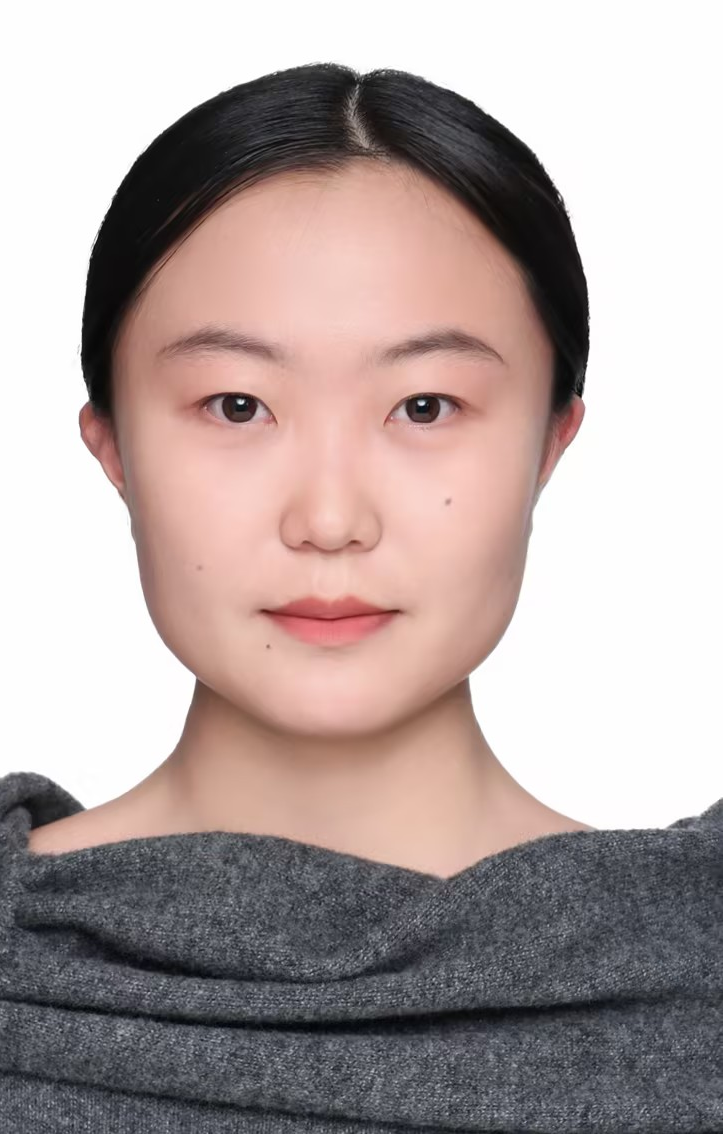
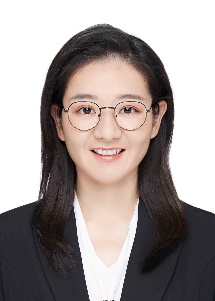
Chao Zhu
( Executive Deputy General Manager of Wintech-Nano (Nanjing) Co., Ltd.)
This presentation explores how large-scale physical AI models can support industrial upgrading in the semiconductor sector. Drawing on Wintech Nano’s experience in digitalizing failure analysis laboratories and developing the iWUDI intelligent closed-loop system, it examines how models, data, scientific instruments, and application scenarios can be connected within practical laboratory workflows. The presentation highlights the roles of domain knowledge, AI agents, and expert review in analytical planning, instrument and tool coordination, workflow optimization, and the reuse of engineering expertise. It also considers how laboratory observations and validated conclusions can inform subsequent analysis while preserving traceability and accountability. Particular attention is given to data authorization, the distinction between AI-generated suggestions and experimentally supported conclusions, and the conditions required for adoption in other industries. By discussing both practical applications and implementation boundaries, the presentation offers a reference for intelligent scientific instrumentation and autonomous laboratory development, with the aim of improving analytical efficiency, delivery quality, and the sustainability of industrial knowledge accumulation.
Chao Zhu is Executive Deputy General Manager of Wintech-nano (Nanjing) Co., Ltd. He has extensive experience in semiconductor testing and failure analysis, business operations, and industry collaboration, with cross-functional expertise spanning technical services, customer development, and organizational management. His current focus is on the application validation and commercialization of AI+CIM and iWUDI in semiconductor laboratory settings. He is committed to advancing technological innovation, industry collaboration, and the transformation of technology into commercial value.
The 8th CHInano Analysis & Testing Application Forum
Speaker
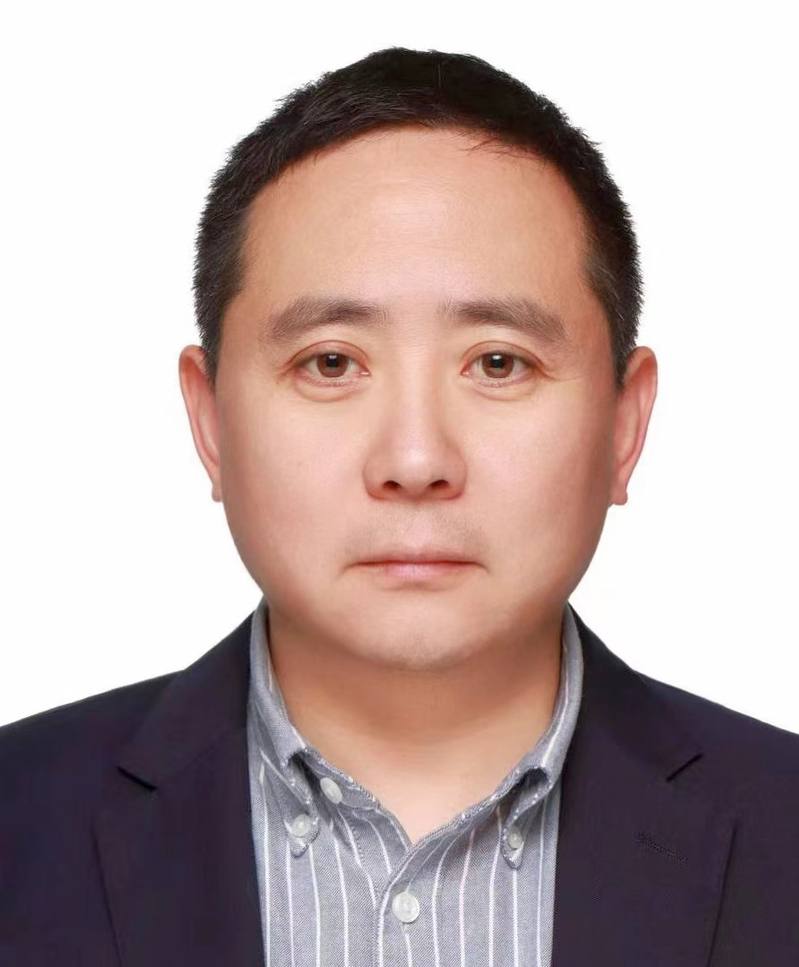
Changlin Zheng
( Professor of Fudan University)
With the continuous development of semiconductor materials and devices, the characterization requirements for their microstructures have shifted from the nanometer scale to the atomic scale. Meanwhile, as chip manufacturing processes advance and physical dimensions continue to shrink, the impact of quantum effects on device performance has become increasingly evident. Consequently, electron microscopy-based characterization techniques are expanding from failure analysis to the front-end of chip research and development. In response to this trend, this report will present the relevant progress and applications of multi-dimensional novel transmission electron microscopy techniques for semiconductor materials and devices, including AI-based high-precision compositional characterization via quantitative electron scattering, high-resolution nanoscale electric field and potential measurements of MOSFETs based on coherent electron imaging, and three-dimensional device structure imaging based on computational imaging of 4D-STEM.
Zheng Changlin is a professor in the Department of Physics at Fudan University. He received his bachelor's and master's degrees from the Department of Physics at Nanjing University, and his doctoral degree from the Department of Physics at Humboldt University of Berlin, Germany. From 2010 to 2017, he worked as a Tenured Research Fellow at the Monash Centre for Electron Microscopy in Australia. In 2018, he joined Fudan University, where he was responsible for establishing the double aberration-corrected electron microscopy platform of the State Key Laboratory of Surface Physics. His main research interests include developing advanced aberration-corrected transmission electron microscopy techniques and applying them to microstructural studies, including those of semiconductor materials and devices. He has published multiple papers on the development of electron microscopy techniques in top journals such as Physical Review Letters, Ultramicroscopy, Microscopy and Microanalysis, and Microscopy. In 2018, he received the John Sanders Medal in recognition of his outstanding contributions to the development of electron microscopy techniques and their applications in the physical sciences.
The 8th CHInano Analysis & Testing Application Forum
Speaker
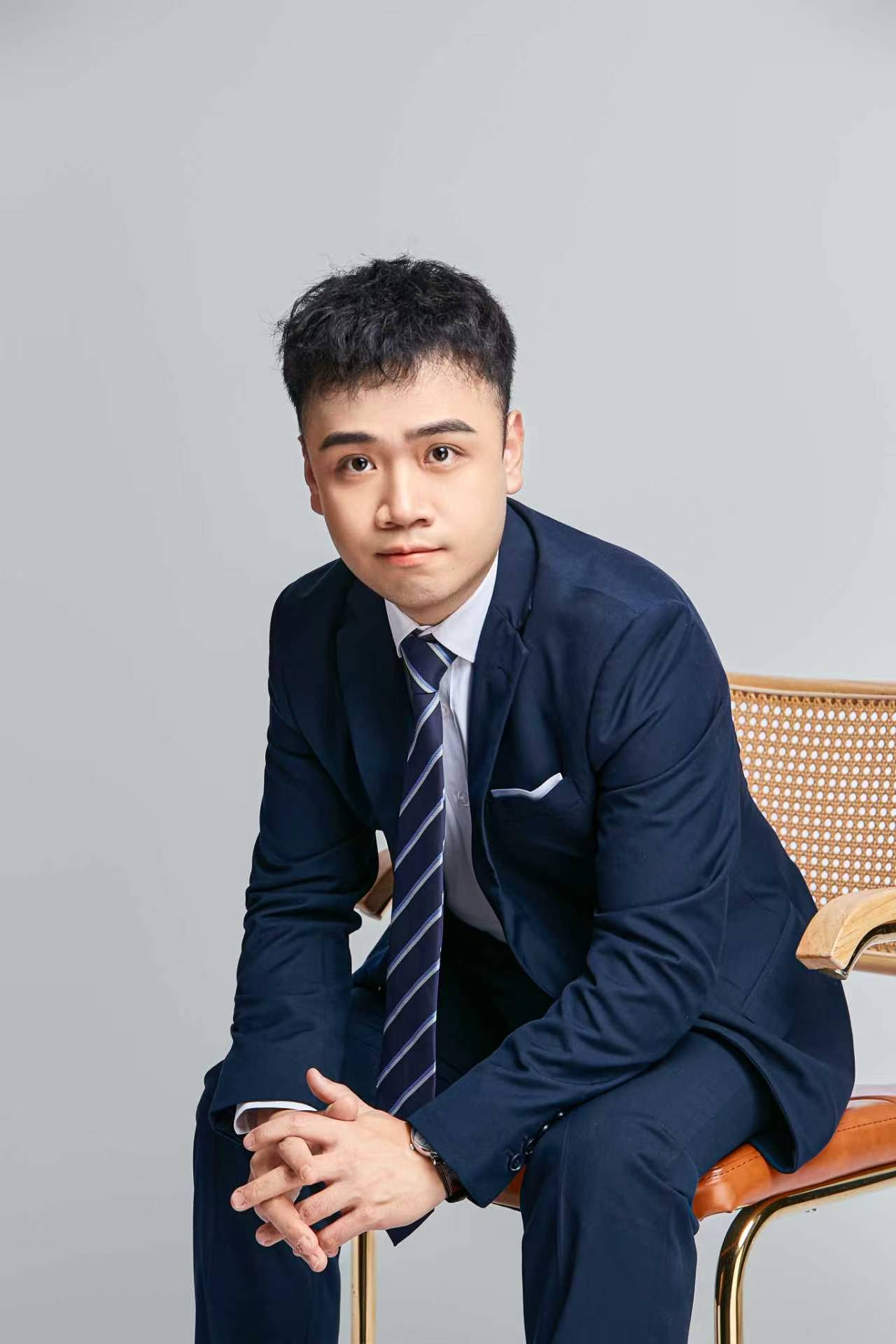
Jun Li
( Technical Manager of Wintech Nano (Suzhou) Co., Ltd.)
The failure analysis process for advanced packaging high-performance computing chips is complex and involves large volumes of data, traditionally relying heavily on expert experience. This presentation divides AI-powered failure analysis into three major stages: early, mid, and late phases. In the early stage, domain knowledge bases assist experts in quickly formulating failure analysis plans. During the mid-stage, AI enables automatic defect detection through image recognition, automated batch measurements, and curve analysis, significantly improving experimental efficiency. In the late stage, the system automatically selects images, verifies data, formats reports, and leverages ChipMind to infer potential failure mechanisms. Case studies demonstrate how AI reduces manual repetitive tasks and enhances failure localization efficiency for high-performance CoWoS and similar packaged chips, while also discussing current technical limitations and future development directions.
Li Jun, a semiconductor chip failure analysis engineer with eight years of experience in advanced semiconductor packaging and chip failure analysis, has extensive hands-on experience in analyzing failures across various types of chips. He is dedicated to integrating AI technology throughout the entire failure analysis workflow.
The 8th CHInano Analysis & Testing Application Forum
Speaker
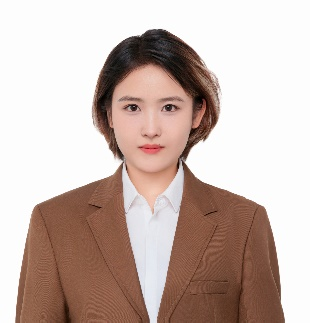
Hong Shen
( Senior Application Specialist of Carl Zeiss (Shanghai) Co., Ltd.)
ZEISS delivers a comprehensive chip‑analysis solution spanning SEM, FIB, XRM and LM, enabling multi‑scale characterization from macro‑optical inspection down to nanoscale observation. Equipped with standardized automated workflows and AI deep‑learning capabilities, it supports intelligent full‑cycle operations including sample preparation, image acquisition, defect detection and data analysis. Integrating multi‑instrument data streams, the solution minimizes manual intervention and shortens cycles for failure analysis and structural characterization. AI‑driven automatic defect detection, feature extraction and result interpretation ensure stable, reproducible outputs, delivering reliable one‑stop characterization support for semiconductor R&D, process validation and failure traceability.
Shen Hong holds dualbackground in advancednode process R&D and equipment application within wafer fabs. She obtained her Master’s degree in Advanced Materials and Nanotechnology from the University of Pisa, Italy, graduating with fullmark honors. Her research focused on quantum condensedmatter physics and nanoelectronics. She completed her Bachelor’s studies in Metallic Materials Engineering at Jilin University. Prior to joining ZEISS, she worked at SMIC, where she led multiple R&D and productiontransfer projects for advancednode etching processes. She was deeply engaged in etchingprocess window expansion, wafer CDU uniformity optimization, as well as device TDDB reliability qualification. She possesses thorough insights into frontend and backend semiconductor process pain points, device failure mechanisms and manufacturing yield challenges, combining solid semiconductorphysics theories with handson fab engineering experience. At ZEISS, she undertakes semiconductor application work across SEM, FIB and XRM platforms. Her focus lies in AIempowered semiconductor characterization, covering intelligent defect inspection, AIdriven failure analysis, and AIenabled nondestructive 3D XRM imaging. She bridges massproduction pain points from wafer fabs with highend metrologyequipment implementation. She is dedicated to deploying intelligent characterization solutions to address technical challenges including nanoscale inspection, failure deconvolution and 3Dstructure reconstruction under advancednode conditions.
The 8th CHInano Analysis & Testing Application Forum
Speaker
Jin He
( Solution Manager of CIQTEK Co., Ltd.)
This report presents a full portfolio of domestically developed electron microscopy technologies empowered by AI, along with their applications in semiconductor inspection and analysis. High-resolution field-emission scanning electron microscopes (SEM) address the demanding imaging requirements of wafer and advanced packaging inspection, while focused ion beam dual-beam systems (FIB-SEM) enable cross-sectional sample preparation and failure analysis of complex structures. The report also shares the exploration of a platform-based AI electron microscopy software, which makes inspection smarter, more efficient, and more accessible through intelligent imaging, automated navigation, and automated defect identification and classification—contributing to the self-reliance and resilience of the semiconductor supply chain.
He Jin, Solution Manager, Electron Microscopy Business Unit, CIQTEK. She graduated from Beijing University of Technology and has long been engaged in electron microscopy application development and technical support, with extensive hands-on experience in micro-analytical characterization across semiconductor and materials industries. She is committed to expanding the adoption of CIQTEK high-resolution electron microscopes and dual-beam systems, and delivering end-to-end solutions covering high-resolution imaging and precision processing for semiconductor customers, while advancing the ecosystem development of domestic electron microscopy in semiconductor inspection.
The 8th CHInano Analysis & Testing Application Forum
Speaker
Chunyang Zhang
( Business Development Manager of Thermo Fisher Scientific)
As semiconductor technology continues to evolve, wafer manufacturing is advancing toward smaller dimensions and more complex 3D stacked architectures. With increasingly sophisticated processes and architectures, along with continuously rising production capacity, fabs are imposing ever more stringent requirements on batch metrology analysis of TEM samples. How to achieve high-efficiency, high-quality, high-precision, high-repeatability, and low-cost TEM batch analysis has become a critical issue to be addressed. As an important partner to semiconductor industry customers, Thermo Fisher Scientific continuously launches cutting-edge TEM products through close collaboration and ongoing innovation, helping customers solve pain points and driving the industry forward.
Dr. Chunyang ZHANG, currently serves as Business Development Manager of the Semiconductor Business Unit at Thermo Fisher Scientific, where he focuses on providing semiconductor customers with solutions in product development and failure analysis based on Scanning transmission electron microscopy. Dr. ZHANG has over ten years of experience in electron microscope application and technical development. He holds a Ph.D. in Materials Science from the University of Lorraine, France, and previously conducted research at the French National Centre for Scientific Research (CNRS).
The 8th CHInano Analysis & Testing Application Forum
Speaker
Haili Ma
( Senior R&D Manager of Wintech Nano (Suzhou) Co., Ltd.)
The research and development of semiconductor functional thin-film materials encompasses multiple stages, including process optimization, advanced sample preparation, and failure mechanism analysis. Focusing on functional thin films for memory applications, this report introduces an implementation framework in which artificial intelligence (AI) techniques and Bayesian optimization algorithms leverage limited experimental data to enable process modeling, process parameter recommendation, and iterative optimization. It also presents a freestanding transfer technique for memory functional thin films and its application in the advanced characterization of ultrathin samples. In addition, based on a failure case involving transmission line pulse (TLP) testing of functional thin films for memory selector devices, experimental characterization and theoretical calculations are integrated to establish the intrinsic correlations between macroscopic electrical anomalies of the device and local changes in structure and electronic states. Building on these studies, the report further explores a feasible strategy for integrating AI with advanced analytical and characterization techniques to establish a closed-loop R&D framework linking “data–experiments–characterization–mechanisms.”
Dr. Haili Ma received his joint Ph.D. degree in 2019 through a Sino–US collaborative program between Shanghai Jiao Tong University and the University of California, Los Angeles. He subsequently held research positions at the Czech Academy of Sciences, Peking University, and the Chinese Academy of Sciences, focusing on emerging memory materials and the performance of microelectronic devices. In 2025, he joined Wintech Nano (Suzhou) Co., Ltd., where he leads advanced technology R&D initiatives. Dr. Ma has long been engaged in interdisciplinary research at the intersection of condensed matter physics and integrated circuits. His research expertise covers the microscopic mechanisms of ferroelectricity in hafnium oxide (HfOx) thin films, the fabrication of three-dimensional HfOx-based ferroelectric devices, and radiation-induced modification mechanisms and technologies for ferroelectric thin films. He currently leads the development of an AI-enabled intelligent computing platform for semiconductor material design, overseeing an integrated R&D framework that combines cross-scale characterization and testing, multi-scale theoretical simulation, AI-driven prediction, and logical reasoning. To date, he has managed cumulative research funding of more than RMB 100 million. Dr. Ma has published over 20 high-quality SCI papers in related fields. He has served as principal investigator for two national-level research projects and participated as a core team member in two additional national-level projects. He has also been granted 5 invention patents. His research achievements have been presented at leading international conferences. As a core author, he has published conference papers at IEEE IEDM 2018, IEEE NSREC 2024, and IEEE IPFA 2026, and has been invited to deliver oral presentations at multiple academic conferences.
The 8th CHInano Analysis & Testing Application Forum
Speaker
Ou Zhou
( Vice General Manager of Marketing of Hitachi High-Tech Scientific Solutions (Beijing) Co., Ltd.)
Since Hitachi developed the electron microscope from 1941, it has launched various types of products, including SEM, FIB, TEM, and also SEM based Nanoprober system. Its development was based on the higher demand of the semiconductor industry for failure analysis and yield improvement in more than 20 years ago, now it even shows higher irreplaceable value in today's era when semiconductor manufacturing process has entered the GAA 2nm era. In the application of Nanoprober, EBAC failure isolation is a very important function. Different manufacturers have launched different EBAC functions for different failure modes to improve the success rate of isolation. However, the circuit structure is extremely complex, how to select the appropriate EBAC mode based on the failure and how to screen out the target signal from the complex signals are highly concerned technical directions. This speech will elaborate on Hitachi's solution in detail.
Mr. Zhou Ou graduated from Shanghai Jiaotong University. During the master period, he was engaged in the research of transmission electron microscope and semiconductor materials. After graduation, he joined Shanghai Grace Semiconductor, worked in failure analysis lab for many years, and accumulated plenty of application experience of various electron microscope in the semiconductor field. Then he worked in European and American instrument companies for many years, further expanding the understanding of electron microscope application in many industries. Now he is the vice general manager of marketing department of Hitachi High-Tech Scientific Solutions (Beijing) Co. Ltd, mainly responsible for the promotion and technical support of electron microscope series products in the semiconductor industry.
The 8th CHInano Analysis & Testing Application Forum
Speaker
Sarah Ma
( Application Scientist of Oxford Instruments Technology China)
Modern semiconductor devices — ranging from advanced packaging, SiC/GaN wide-bandgappower electronics, and heterogeneous integration to leading-edge logic nodes — are growing in structural complexity while feature sizes continue to shrink. Single-technique characterization can no longer address the full set of multidimensional challenges around composition, structure, strain, nanomechanics, and electrical/magnetic behavior. R&D and failure-analysis workflows now increasingly require correlative, multi-modal approaches. Oxford Instruments addresses this need with five complementary platforms: AFM, Raman, nanoindentation (NI), EDS, and EBSD. Together, they enable multi-scale correlative analysis co-located on the same region of interest — from micrometers down to nanometers, and from static imaging to in-situ studies. This presentation walks through representative semiconductor R&D and failure-analysis scenarios, highlights the core strength of each technique, and demonstrates how multimodal integration helps customers reach more complete and trustworthy answers on dopant distribution, lattice strain, interfacial defects, and nanomechanical performance.
Sarah Ma obtained his Ph.D. in Material Science and Engineering in 2012 from Shanghai Jiaotong University, where she worked on development and characterization of high strength and ductile magnesium alloys. She then completed her postdoctoral work at National Institute of Material Science (NIMS, Japan) and there her major research was characterization of magnesium and magnetic material using HAADF-STEM and 3DAP. After joining in Oxford Instrument as application scientist in 2016, she mainly focuses on application support of EDS, EBSD and OP products.
The 8th CHInano Analysis & Testing Application Forum
Speaker
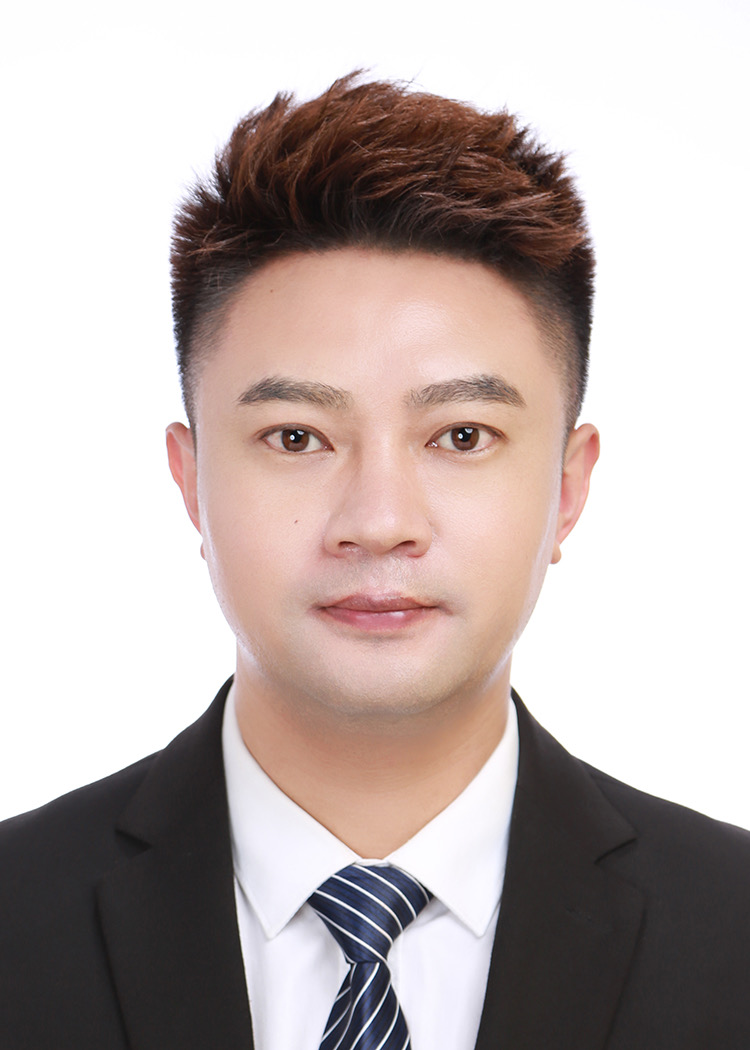
Fei Li
( VP of Semitronix Corporation)
AI has been widely deployed at the algorithm level in manufacturing EDA for advanced processes. This work introduces Semitronix Agent AI solution for tool-level integration of manufacturing EDA targeting yield improvement. With well-trained skills, Agentic AI can autonomously call software tools, utilize data and foundry know-how, and accelerate yield analysis which requires multiple teams cooperation in the past.
Fei Li – Vice President of Technology at Semitronix. He graduated from the Department of Electronic Engineering at Tsinghua University. He has held positions at PDF Solutions, Transwarp Technology, and other companies. With nearly 20 years of experience in the semiconductor industry, he has long been dedicated to semiconductor yield enhancement services, covering technology nodes from 90nm to advanced nodes.
The 8th CHInano Analysis & Testing Application Forum
Speaker
Yanfei Zhao
( Director of Wintech Nano (Suzhou) Co., Ltd.)
In semiconductor manufacturing, trace organic and inorganic contaminants can originate from a wide range of process steps, including lithography, cleaning, etching, thin-film deposition, packaging, and equipment or materials. Due to the diversity and complexity of potential contaminants and their sources, conventional TOF-SIMS data interpretation relies heavily on expert experience and manual spectral analysis, resulting in challenges such as low analysis efficiency, strong dependence on individual expertise, and difficulties in identifying complex mixed contaminants. This presentation introduces an intelligent TOF-SIMS analysis platform developed for semiconductor process contamination identification and source tracing. Based on raw TOF-SIMS mass spectral data, the platform integrates peak and feature extraction, spectral feature selection, molecular fragment identification, chemical and physical rule-based constraints, and spectral-library similarity matching. This enables a stepwise analytical workflow from mass spectral signals to fragment interpretation, material classification, and potential contamination source association. Practical case studies from semiconductor failure analysis and process contamination investigations will be presented to demonstrate the application of the platform in organic contaminant identification, complex mixed-contamination analysis, and Good/Bad sample differentiation. The presentation will also discuss how historical failure cases, reference-material spectra, process-material information, and expert knowledge can be systematically incorporated into an evolving knowledge base. By combining AI algorithms with domain expertise in surface analysis, the platform enables TOF-SIMS analysis to move from expert-dependent point-by-point interpretation toward data-driven and knowledge-enhanced intelligent analysis, providing a practical approach for rapid contaminant identification, source tracing, and semiconductor failure analysis.
Dr. Zhao Yanfei is currently the Director of the Surface Analysis Laboratory and Head of the Suzhou Surface Analysis Laboratory at Wintech-Nano (Suzhou). She received her Ph.D. in Science from Peking University. She has extensive experience in semiconductor surface analysis, technology development, application, and laboratory management, with a particular focus on the application of XPS, AES, and TOF-SIMS in advanced semiconductor processes. She has received several professional honors, including the Senior Engineer qualification in Electronic Information Engineering of Jiangsu Province, recognition as an expert in Suzhou’s Inspection, Testing, Certification and Accreditation Expert Database, the Gusu Key Industrial Talent Program, and the Suzhou Outstanding Young Skilled Worker Award. In 2023, she led the surface analysis team to receive the "Outstanding Team Award" in Wintech-nano. She has served as the principal investigator of one National Natural Science Foundation of China project, participated in six national and provincial Natural Science Foundation projects, published more than 50 scientific papers with over 1,000 citations, and holds more than 20 patents. She also serves as a reviewer for international journals including Scientific Reports and Applied Surface Science.

The 8th CHInano Analysis & Testing Application Forum
Speaker
Ashley Zhao
( Director of Pan-Enterprise Ecosystem Department of Hangzhou Hikvision Digital Technology Co., Ltd.)
Ultra-depth-of-field digital microscope: AI + Optics redefines microscopic inspection and measurement Traditional microscopic inspection has long been plagued by industry pain points including insufficient depth of field, blurry imaging of complex specimens, and significant errors in manual measurement. Hikvision Ultra-Depth-of-Field 3D Digital Microscope integrates self-developed precision optics and AI intelligent algorithms. Leveraging ultra-depth-of-field synthesis technology to break imaging limits, it delivers fully focused sharp images for specimens with height variations, deep grooves and high reflectivity. Supported by AI image enhancement, one-click 3D modeling and intelligent feature recognition, it enables accurate multi-dimensional 2D/3D measurement and effectively reduces human operation errors. Suitable for both laboratory R&D and production line quality inspection, it serves multiple industries such as semiconductors, new energy and precision manufacturing. As a domestically developed intelligent microscopy solution, it empowers the digital transformation of industrial microscopic inspection.
Director of Pan-Enterprise Ecosystem Department, Hangzhou Hikvision Digital Technology Co., Ltd. He has years of experience in industrial digitalization, semiconductor and high-end manufacturing. He specializes in building industrial inspection solutions integrating AI and optical sensing, and promotes the deployment of domestic intelligent microscopy systems for digital upgrading of micro-inspection in manufacturing.
Professional Visitor Registration Entrance Register Now
© 苏州纳米科技发展有限公司版权所有 苏ICP备10213992号-14  技术支持:
全国互联网安全管理服务平台 苏公网安备32059002004852号